
Pachinko Game Guide: How Online Pachinko, Machines, Japanese Arcade Games, and Casino Pachinko Work
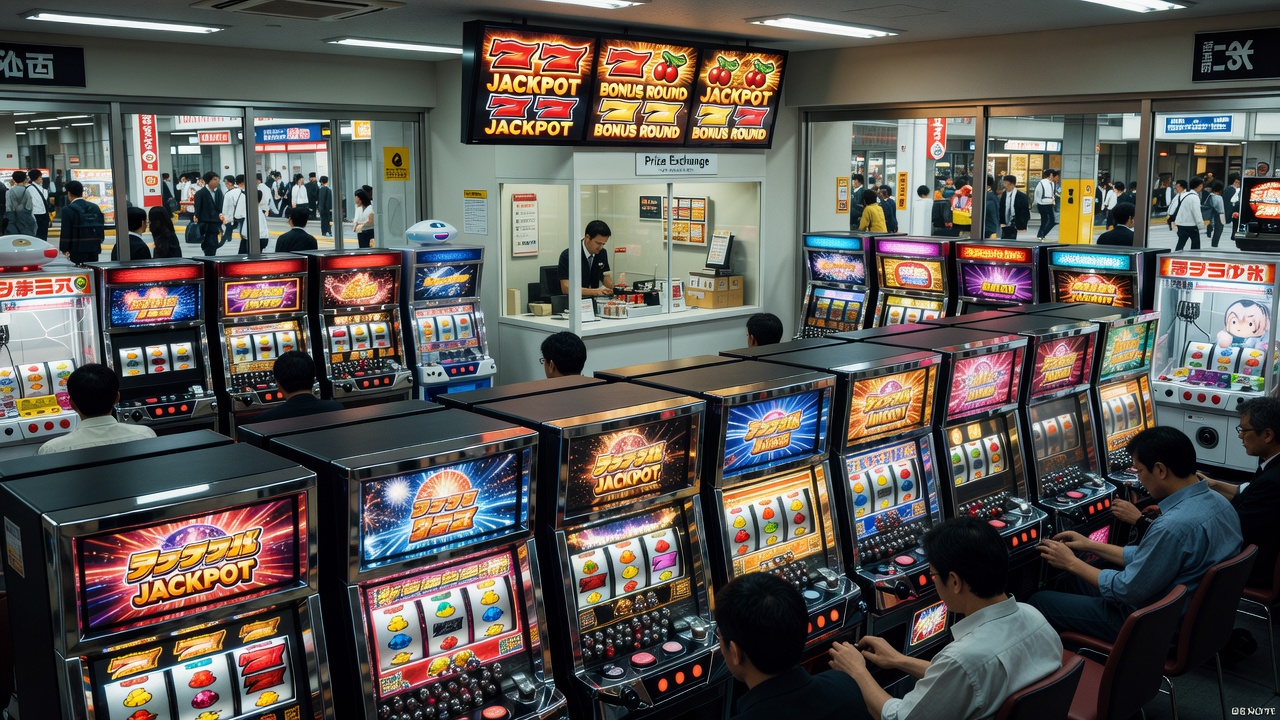
A single Japanese city block can hold more electronic entertainment revenue than an entire small casino district in the West. That's the scale of pachinko in Japan - an industry built around vertical machines, cascading steel balls, and a gambling loophole so elegant it has survived for nearly a century without technically breaking the country's anti-gambling laws. Most people outside Japan have seen the machines in movies or documentaries: a wall of blinking lights, a hypnotic rhythm of clicking balls, rows of players sitting in near-silence for hours. Few understand how the mechanics actually work, why the payout system exists in its strange legal gray zone, or how the entire experience has migrated online.
This guide breaks down the anatomy of a pachinko game from the physical parlor floor to the browser tab. It explains what separates a mechanical pachinko machine from the digital slot-style games that borrow its name, and why Japanese arcade games occupy a cultural position that Western arcade cabinets never quite achieved. For readers curious about trying a modern variant without booking a flight to Osaka, platforms offering casino pachinko and digital spins on the format have made the mechanics accessible worldwide - you can learn more about one such option and see how the format translates to a browser-based interface. By the end, you'll know exactly what you're looking at the next time you pass a pachinko parlor or stumble across an online version.
What Is a Pachinko Game and Why It Matters in Japanese Culture
Pachinko sits at an odd intersection of pinball, slot machine, and pachinko-specific mechanics that don't map cleanly onto any Western category. Players buy small steel balls, load them into a machine, and fire them upward into a vertical playing field studded with pins, gates, and a central digital display. Where the balls land determines whether you win more balls, trigger a bonus round, or watch your stake disappear into the tray below. It is simple to describe and remarkably difficult to master, which is part of its lasting appeal.
Origins of the Pachinko Machine
The pachinko machine descended from a children's game called Corinthian billiards, which arrived in Japan in the early twentieth century and was gradually adapted into an adult amusement device. By the 1930s, dedicated pachinko parlors had opened in Nagoya, and the format spread nationally after World War II as a low-cost form of entertainment during a period of economic hardship. The postwar version introduced the mechanical ball-launching mechanism that still defines the game today, even as digital displays have replaced simple pin fields.
Why Pachinko Remains a National Pastime
Pachinko parlors generate a scale of activity that dwarfs conventional casino gaming in most countries, largely because the machines are woven into everyday urban life rather than confined to resort destinations. A parlor might sit next to a train station, a supermarket, or a row of noodle shops, making it a routine stop rather than a special outing. The repetitive, meditative rhythm of watching balls fall also plays a role - many regular players describe the activity as stress relief rather than pure gambling.
The Legal Gray Zone Explained
Japan's laws technically prohibit gambling for cash prizes, so pachinko parlors pay winnings in tokens or prizes rather than money. Players then walk to a separate, nominally unconnected shop nearby to exchange those tokens for cash. This three-shop system has operated for decades, and while regulators periodically scrutinize it, the structure remains the backbone of how a pachinko game can legally offer real financial stakes.
How a Pachinko Machine Works Mechanically
Modern pachinko machines look deceptively similar to slot machines because of their bright screens and bonus animations, but the underlying mechanism is entirely different. Steel balls, not reels, determine the outcome, and their path through a field of pins introduces a physical randomness layer that digital slots simulate but never truly replicate.
The Ball-Launch System
Players control a dial or lever that adjusts the launch force sent into the playing field. Too weak, and the ball falls short of the scoring pockets; too strong, and it sails past them. Skilled players learn to fine-tune this force to consistently land balls near the central "chucker" pocket, which is the primary trigger for bonus rounds.
Pins, Gates, and the Random Element
Hundreds of metal pins are arranged across the vertical field, deflecting balls unpredictably as they descend. This physical randomness is combined with an internal random number generator that determines whether a ball landing in the chucker actually triggers a win, meaning the visual chaos is only part of the story - the electronics make the final call.
Digital Displays and Bonus Rounds
Contemporary machines feature a central LCD screen that runs animated sequences resembling slot reels. When three matching symbols align, the machine enters a bonus mode, releasing a large volume of balls in a short period. These digital layers have transformed the pachinko machine from a purely mechanical device into a hybrid system closer to video gaming than traditional pinball.
Japanese Arcade Games and the Broader Gaming Ecosystem
Pachinko doesn't exist in isolation. It sits within a wider ecosystem of Japanese arcade games that includes rhythm machines, claw games, fighting game cabinets, and pachinko's close cousin, pachislot. Understanding this ecosystem clarifies why pachinko occupies its own cultural lane rather than blending into general arcade culture.
Pachinko vs. Pachislot
Pachislot machines replace the ball-and-pin mechanism with spinning reels controlled by a stop button, functioning much closer to a traditional slot machine while retaining the same prize-exchange legal structure. Pachinko demands more physical engagement through the launch dial, while pachislot rewards timing and reel-stopping technique. Both coexist in the same parlors, often side by side.
How Pachinko Fits Among Other Arcade Formats
Unlike rhythm games or fighting cabinets, which reward reflexes and skill progression, pachinko blends chance with subtle mechanical control, appealing to a different psychological reward system. Arcade centers in Japan often separate pachinko parlors from general amusement arcades entirely, partly due to age restrictions and partly due to the different atmosphere each format cultivates - one social and energetic, the other quiet and repetitive.
Cultural Export and Global Recognition
While fighting games and rhythm cabinets have traveled well internationally, pachinko has struggled to export its physical format outside Japan. The machines are expensive, space-intensive, and tied to a legal framework that doesn't exist elsewhere, which is one reason digital adaptations have become the primary way non-Japanese audiences encounter the format.
Online Pachinko: Bringing the Parlor Experience to the Web
The shift from physical machines to online pachinko mirrors what happened to slot machines two decades earlier. Developers recreate the visual rhythm and bonus structure digitally, stripping away the token-exchange legal complexity and replacing it with straightforward real-money or free-play formats.
How Digital Versions Simulate the Physical Mechanism
Online pachinko games use software-based random number generation to simulate the unpredictable path of a falling ball, paired with animations that mimic the pin field and chucker mechanics. Some titles stay faithful to the original ball-drop format, while others simplify the experience into something closer to a themed slot with pachinko-style visuals and bonus triggers.
Where to Find Legitimate Online Pachinko Platforms
Licensed online casinos and specialized gaming platforms now offer pachinko-inspired titles alongside traditional slots, giving international players access to the format without needing a physical parlor. Quality varies significantly, so checking licensing information and payout transparency matters before committing real funds.
Advantages and Limitations Compared to Physical Machines
Online versions remove the need for travel, the token-exchange detour, and the crowded parlor atmosphere, but they also lose the tactile satisfaction of manually adjusting the launch dial. Some players find the digital randomness less engaging than the physical unpredictability of real steel balls bouncing across real pins.
- Physical machines offer tactile control and the social atmosphere of a parlor floor
- Online pachinko offers convenience, accessibility, and often lower minimum stakes
- Digital versions simplify or remove the token-to-cash exchange system entirely
- Visual fidelity in modern online titles has improved enough to closely mimic real bonus animations
Casino Pachinko: Where Traditional Gambling Meets Japanese Mechanics
As pachinko has traveled beyond Japan's borders, it has found a new home inside international casino platforms, where it operates without the legal restrictions that shape the domestic Japanese version. Casino pachinko titles typically function as direct-money games, since the jurisdictions hosting them permit cash payouts without requiring a prize-exchange workaround.
How Casino Pachinko Differs from Traditional Japanese Machines
Because international casinos operate under standard gambling licenses, casino pachinko games can offer direct monetary payouts, eliminating the token-shop detour entirely. This makes the format more approachable for players unfamiliar with Japan's regulatory quirks, while still preserving the visual identity and bonus mechanics that define the original machines.
Integration Into Online Casino Platforms
Casino pachinko now appears as a game category within many online casino lobbies, sitting alongside slots and table games rather than existing as a standalone product. This integration has introduced the format to players who might never have encountered a physical pachinko parlor, expanding its audience considerably beyond Japan.
What Players Should Check Before Playing for Real Money
Payout percentages, licensing jurisdiction, and the reputation of the software provider all matter more with casino pachinko than with a physical machine, since digital randomness is harder to verify independently. Reading the game's published return-to-player rate and confirming the platform's regulatory status are basic due-diligence steps before wagering real funds.
Tips for Getting Started With Pachinko, Online or In Person
Whether you're standing in front of a physical pachinko machine in Tokyo or opening an online pachinko title on a licensed platform, a few practical habits improve both enjoyment and outcomes.
Setting a Budget Before You Start
Pachinko's rapid ball-loss rate on physical machines, or rapid spin cadence in digital versions, can drain a budget faster than expected. Deciding on a firm spending limit before sitting down prevents the session from extending past what was originally intended.
Understanding Machine Selection in Physical Parlors
Experienced players study which machines in a parlor have recently paid out heavily, since parlors periodically adjust individual machine settings. This isn't guaranteed strategy, but observing machine activity over time is a common practice among regulars looking for better odds.
Practicing With Free-Play Online Versions First
Many online pachinko platforms offer demo or free-play modes that let newcomers understand the bonus triggers and pacing without financial risk. Spending time in these modes before switching to real-money casino pachinko builds familiarity with how the digital random number generation feels compared to a physical machine's ball drop.
Frequently Asked Questions
Is pachinko considered gambling in Japan?
Legally, no - Japanese law classifies pachinko as an amusement activity rather than gambling, since cash prizes aren't awarded directly by the parlor. Players convert winnings into tokens or prizes, then exchange them for cash at a separate shop, keeping the activity technically outside gambling regulations.
Can I play pachinko online for real money outside Japan?
Yes, through licensed international casino platforms that offer casino pachinko titles as standard money-based games. These platforms operate under gambling licenses from their host jurisdictions, so the token-exchange workaround used in Japan isn't necessary.
What's the difference between pachinko and a slot machine?
Pachinko relies on physical steel balls falling through a field of pins, with a launch dial giving players some control over ball placement, while a slot machine relies entirely on spinning reels with no physical skill component. The pachislot format bridges the two, using reels but retaining pachinko's parlor setting and legal structure.
Do skill and strategy actually affect pachinko outcomes?
Adjusting the launch dial to consistently land balls near the chucker does improve your odds of triggering bonus rounds, so there's a genuine skill component in physical play. However, the final win determination still relies on internal random number generation, meaning skill influences opportunity rather than guaranteeing results.
Are online pachinko games fair and properly regulated?
Legitimate platforms use certified random number generators and publish return-to-player percentages, and they operate under recognized gambling licenses that require regular audits. Always verify a platform's licensing information before depositing money, since unregulated sites offer no such guarantees.
Why are pachinko parlors so common in Japanese neighborhoods?
Pachinko's legal status as an amusement activity, combined with its low individual stake sizes, allowed it to embed itself into everyday commercial districts rather than being confined to designated gambling zones. Decades of cultural normalization have made parlors as routine a sight as convenience stores in many Japanese cities.